
"natural coffee India"
1000 article(s) found

Introduction to the treatment methods of Indian Coffee Brand Monsooned Coffee Monsoon Coffee / Wind-stained Coffee
For more information on coffee beans, please follow the coffee workshop (Wechat official account cafe_style) Indian monsoon coffee (India Monsooned Coffee, also known as wind-stained coffee) when it comes to Asian coffee, consumers should be most familiar with low-sour, mellow Sumatran coffee, or Vietnamese coffee that has been increasing in production in recent years, but in fact, Indian coffee

How to buy coffee beans from all over the world
Professional barista exchanges, please pay attention to coffee workshop (Weixin Official Accounts cafe_style) Latin America has beautiful layer changes, excellent alcohol degree, fine fruit acid Latin America Mexico, Guatemala, Honduras, El Salvador, Nicaragua, Costa Rica, Panama,

Burmese coffee| Burmese coffee production| Myanmar coffee varieties
Coffee beans from Myanmar (Weixin Official Accounts cafe_style) In fact, Myanmar began to grow coffee beans at the end of the 19th century (AD 1885), but they were not widely cultivated. Only a small part of them were exported (not exported, because Myanmar and India were both British colonies at that time) to India and India.
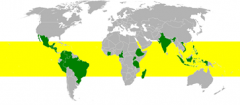
Introduction of Coffee Origin-Asian "Indonesia, India, Vietnam"
For professional baristas, please follow the coffee workshop (Wechat official account cafe_style). These days, I have spent some time collecting and studying coffee producing area information around the world. The latitude zone between the south of the Tropic of Cancer and the north of the Tropic of Cancer is commonly known as the coffee belt, and the reliable producing areas fall within this range. Hua Dou Coffee has some information about each item, but over time

Varieties of coffee beans ranking varieties of coffee beans and types and characteristics of coffee beans from main producing areas
For more information about coffee beans, please follow the front street of Coffee Workshop (Wechat official account cafe_style)-introduction to Ethiopian Coffee and Common Coffee varieties Kent is widely believed to be a natural mutation of Typica found in India although some reports say it was deliberately cultivated in Kenya around 1911. Since the 1920s, Kent has been widely planted.

Indian coffee brewing Indian style soiled coffee description of monsoon coffee brewing flavor
When it comes to coffee beans in Asia, people always think of Mantenin coffee in Indonesia or small-grain coffee in Yunnan, China. In fact, there is also a coffee bean with a mysterious veil, Indian-style coffee beans (also known as monsoon coffee or Malaba coffee Monsooned Coffee), whose flavor formation process makes Qianjie coffee very interested. It is said to be

Brief introduction of Arabica interspecies hybrid coffee bean flavor characteristics of new variety Ruilu 11 Carmont
What is a Cameroun hybrid coffee? What is Arabusta coffee? How did these interspecific hybrid coffee beans develop? Is there any difference between flavor and taste and traditional beans? With these questions, let's explore Arabica's interspecific hybrid series of beans. Mixed-race series: Arabica with non-Arabica and non-Arabica

About Robusta coffee beans
"Robusta" coffee, commonly known as "sturdy beans", can be grown at low elevations (200 to 800 meters above sea level), has strong resistance to diseases and insect pests, is not vulnerable to agricultural disasters, has a high annual output per unit area, and is harvested in large quantities by machine. in general, the cost of production is much lower than that of Arabica coffee.

Amazing Indian coffee beans, mild coffee, rich Indian flavor coffee, black coffee.
When it comes to Asian coffee, the first impression of coffee lovers is often calm and calm. Asian coffee is generally characterized by thick flavor, strong sweetness and round taste, but slightly flat aroma and brightness. It is precisely because of the heavy nature of Asian coffee that it is very suitable to be used as a base when making Italian coffee. Raw coffee beans in Asia are generally processed by wet or semi-wet methods.
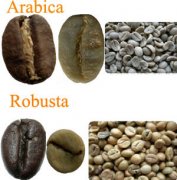
Coffee training knowledge: Robusta you don't know
Coffee training knowledge: people always habitually look at things in dichotomy, good and bad, good and bad, good and bad. The same is true in the world of coffee. Arabica coffee beans are always classified as good, while its distant relative, Robusta, is often classified as bad. Why is Robusta so notorious? Round in appearance
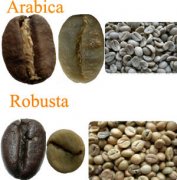
Types of coffee beans Robusta coffee beans
Coffee training knowledge: people always habitually look at things in dichotomy, good and bad, good and bad, good and bad. The same is true in the world of coffee. Arabica coffee beans are always classified as good, while its distant relative, Robusta, is often classified as bad. Why is Robusta so notorious? Round in appearance

The basic knowledge of Robusta in boutique coffee
Coffee training knowledge: people always habitually look at things in dichotomy, good and bad, good and bad, good and bad. The same is true in the world of coffee. Arabica coffee beans are always classified as good, while its distant relative, Robusta, is often classified as bad. Why is Robusta so notorious? Round in appearance
About the characteristics and uses of Robusta coffee beans
Robusta coffee, commonly known as "robust beans", can be grown at low altitudes (200 to 800 meters above sea level), is highly resistant to pests and diseases, is not susceptible to agricultural damage, has a high annual yield per unit area of coffee trees, is harvested in large quantities by machines, and generally costs much less than Arabica coffee. Robusta coffee usually has a bland, dull, pungent flavor, and is
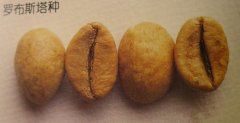
Basic knowledge of coffee beans Robusta coffee beans
People always habitually look at things in dichotomy, good and bad, good and evil, good and bad. The same is true in the world of coffee. Arabica coffee beans are always classified as good, while its distant relative, Robusta, is often classified as bad. Why is Robusta so notorious? It is round in appearance, which at first glance looks like a
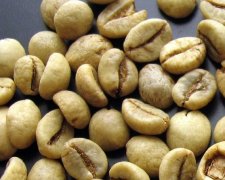
Robusta's secret.
[guide] "Robusta" coffee, commonly known as "thick beans", can be grown at low elevations (200 to 800 meters above sea level), has strong resistance to diseases and insect pests, is not vulnerable to agricultural pests, has a high annual output per unit area, and is harvested in large quantities by machine. in general, the cost of production is much lower than that of Arabica. "Robusta" coffee is commonly known as "stout beans", at low elevations (200 above sea level)
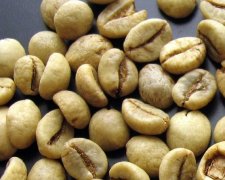
Robusta's secret.
[guide] "Robusta" coffee, commonly known as "thick beans", can be grown at low elevations (200 to 800 meters above sea level), has strong resistance to diseases and insect pests, is not vulnerable to agricultural pests, has a high annual output per unit area, and is harvested in large quantities by machine. in general, the cost of production is much lower than that of Arabica. "Robusta" coffee is commonly known as "stout beans", at low elevations (200 above sea level)
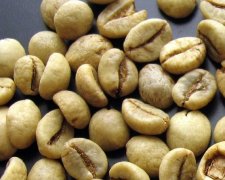
Robusta's secret.
[guide] "Robusta" coffee, commonly known as "thick beans", can be grown at low elevations (200 to 800 meters above sea level), has strong resistance to diseases and insect pests, is not vulnerable to agricultural pests, has a high annual output per unit area, and is harvested in large quantities by machine. in general, the cost of production is much lower than that of Arabica. "Robusta" coffee is commonly known as "stout beans", at low elevations (200 above sea level)

Arabica mutant iron skin card raw bean, how to taste blue mountain, Yunnan small grain iron skin card kind flavor
For professional baristas, please follow the coffee workshop (Wechat official account cafe_style) Arabica species (scientific name CoffeeArabica). The origin of Arabica species is Ethiopia's Abyssinia Plateau (present-day Ethiopian Plateau). In the early days, it was mainly used as medicine, and the habit of baking and drinking was developed in the 13th century.

The basic knowledge of coffee beans about Robusta coffee beans
"Robusta" coffee, commonly known as "sturdy beans", can be grown at low elevations (200 to 800 meters above sea level), has strong resistance to diseases and insect pests, is not vulnerable to agricultural disasters, has a high annual output per unit area, and is harvested in large quantities by machine. in general, the cost of production is much lower than that of Arabica coffee. "Robusta" coffee usually has an ordinary, rigid and pungent flavor, and because
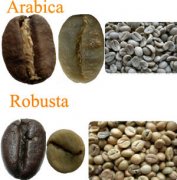
Robusta that you don't know.
"arabica" coffee beans are always classified as "good", while its distant relative "Robusta" coffee beans are often classified as "bad".